
Recovery and valorisation
Every waste stream is a resource
We transform aluminium waste into high-quality secondary raw materials, ready to re-enter the industrial cycle through an efficient, controlled and fully traceable process.
Through this model, AS METAL directly contributes to:
- reducing the carbon footprint of the industrial value chain;
- reducing the amount of waste sent for disposal;
- reducing the consumption of natural resources.
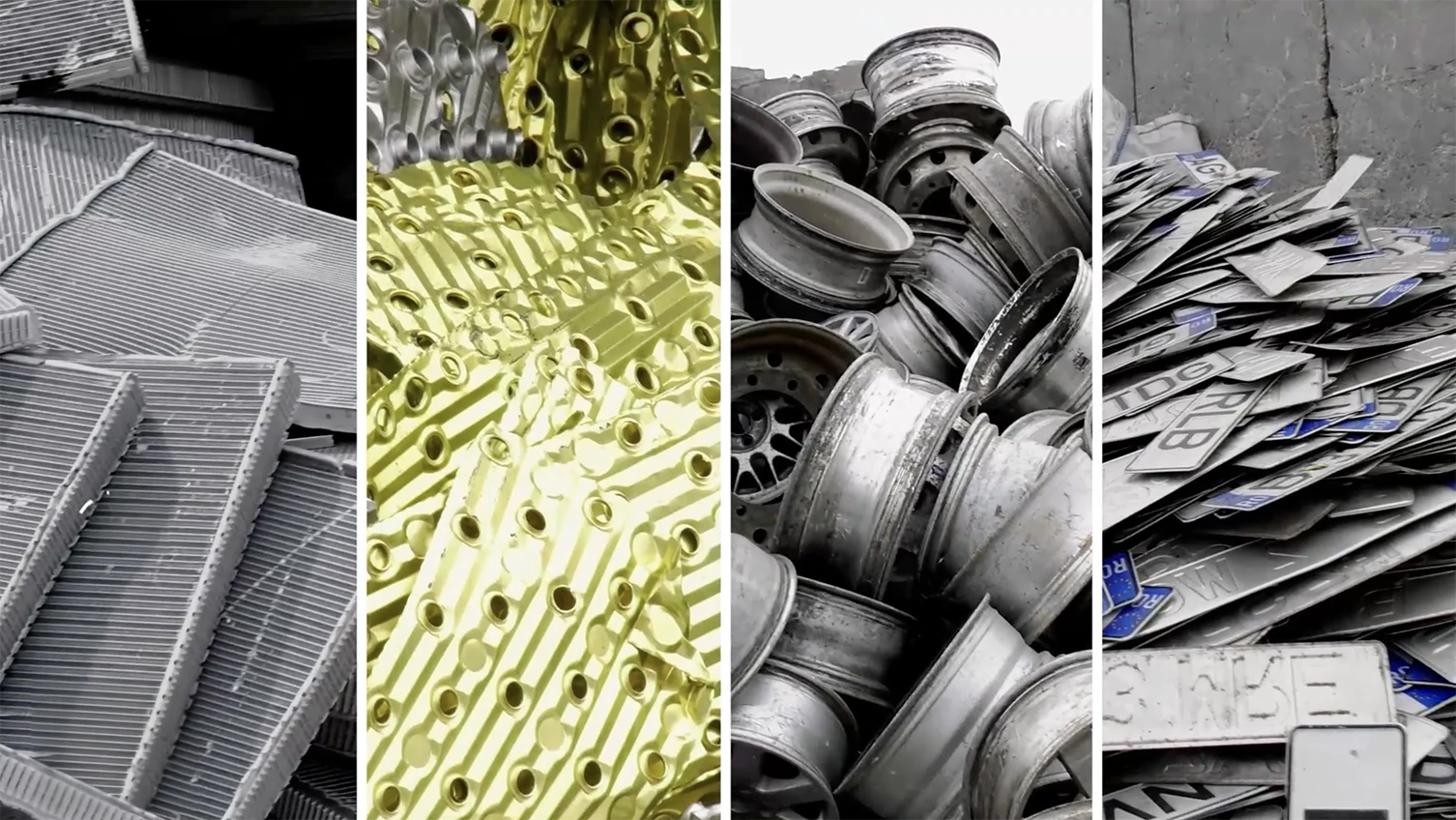
Stages of the recovery and valorisation process
Input material
tonnes / year
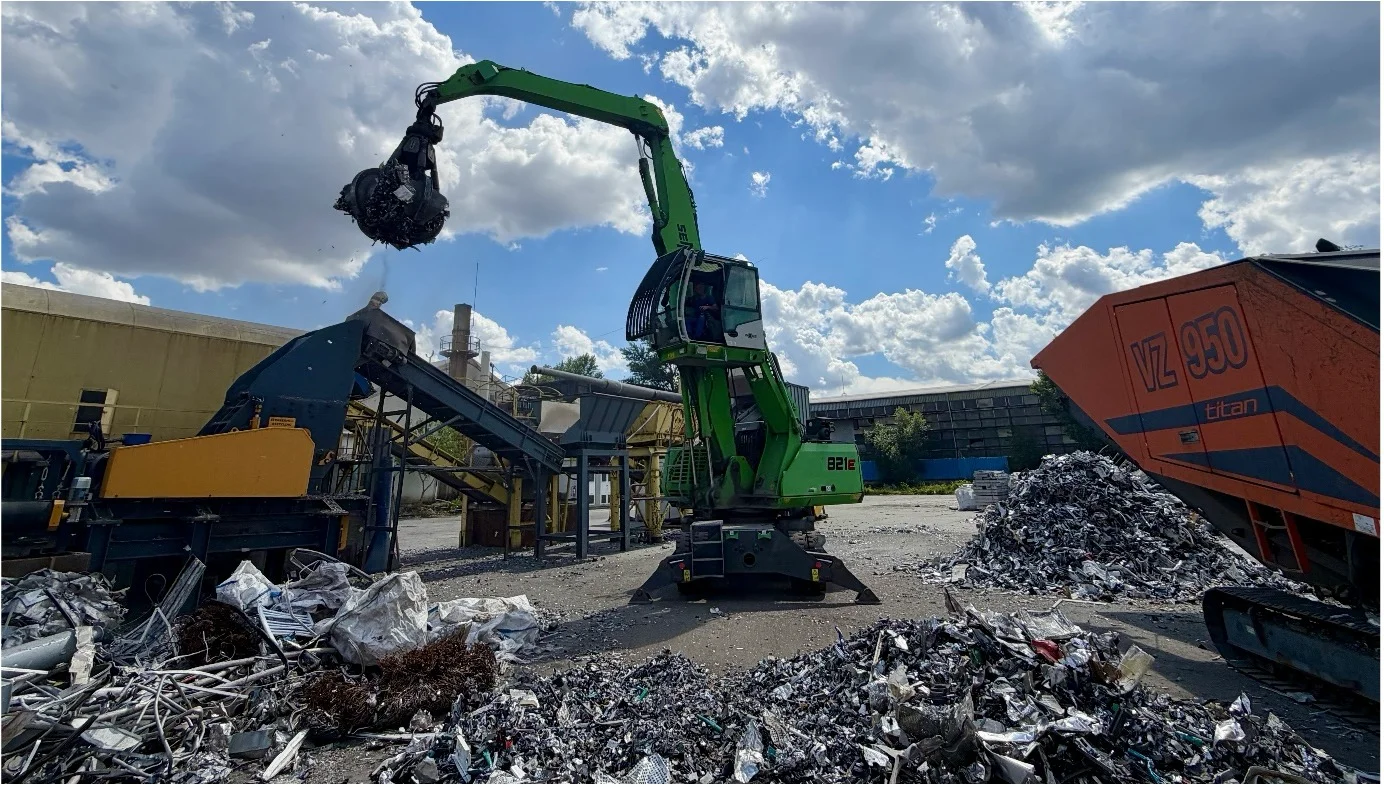
Mechanical treatment and material preparation, preliminary sorting
Incoming waste is processed through a series of successive shredding operations designed to obtain fractions with controlled particle size and ensure the efficient separation of metallic and non-metallic components. (photo with Arijes, Celtec mill)
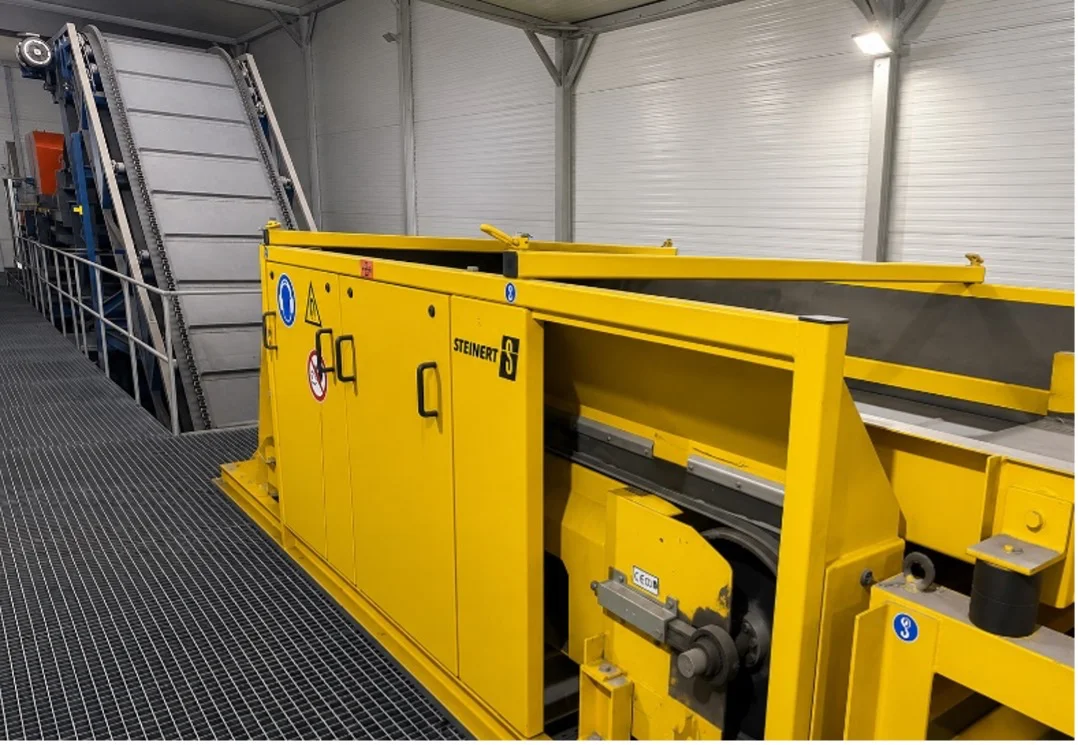
Advanced sorting of mechanically treated metals (E.C.S. – Eddy Current Separators)
Metals are separated from inert materials using Eddy Current Separators (ECS), which differentiate materials according to their electrical conductivity.
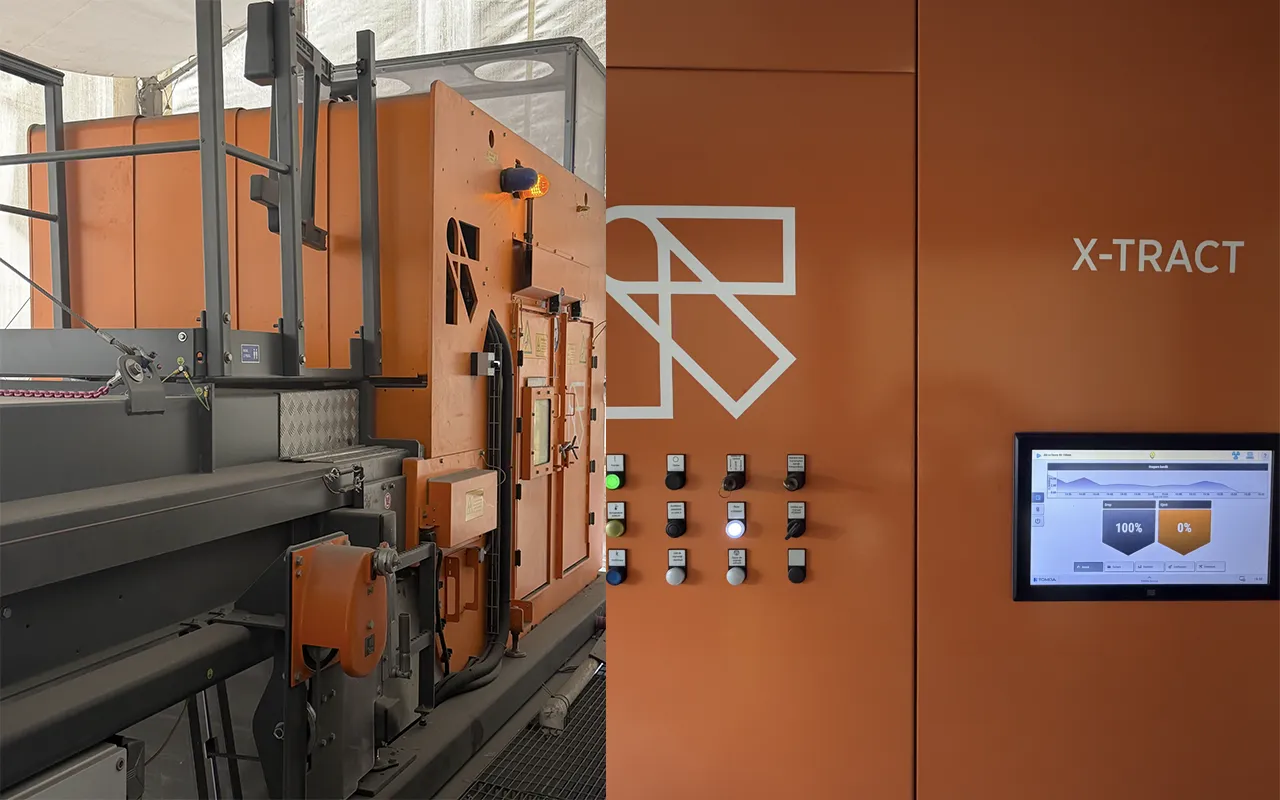
Advanced density sorting of non-ferrous metal waste using X-ray sorting technology (X-TRACT)
Advanced atomic absorption spectrometry technologies enable the precise identification and separation of metals according to their density, ensuring high quality standards.
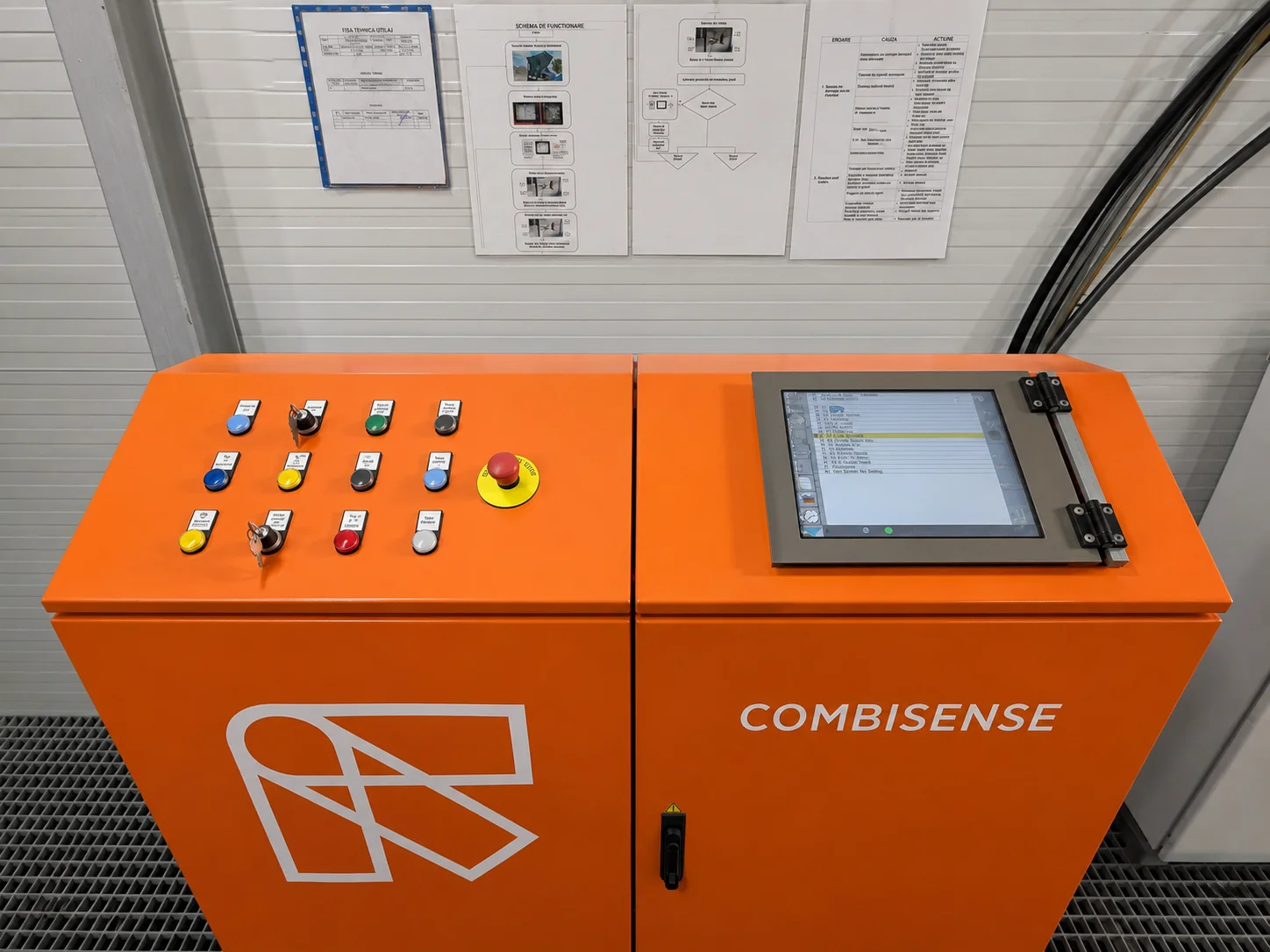
Advanced sorting of non-ferrous metal waste using optical sorting technology (CombiSense)
This technology sorts metals by colour using high-resolution cameras.
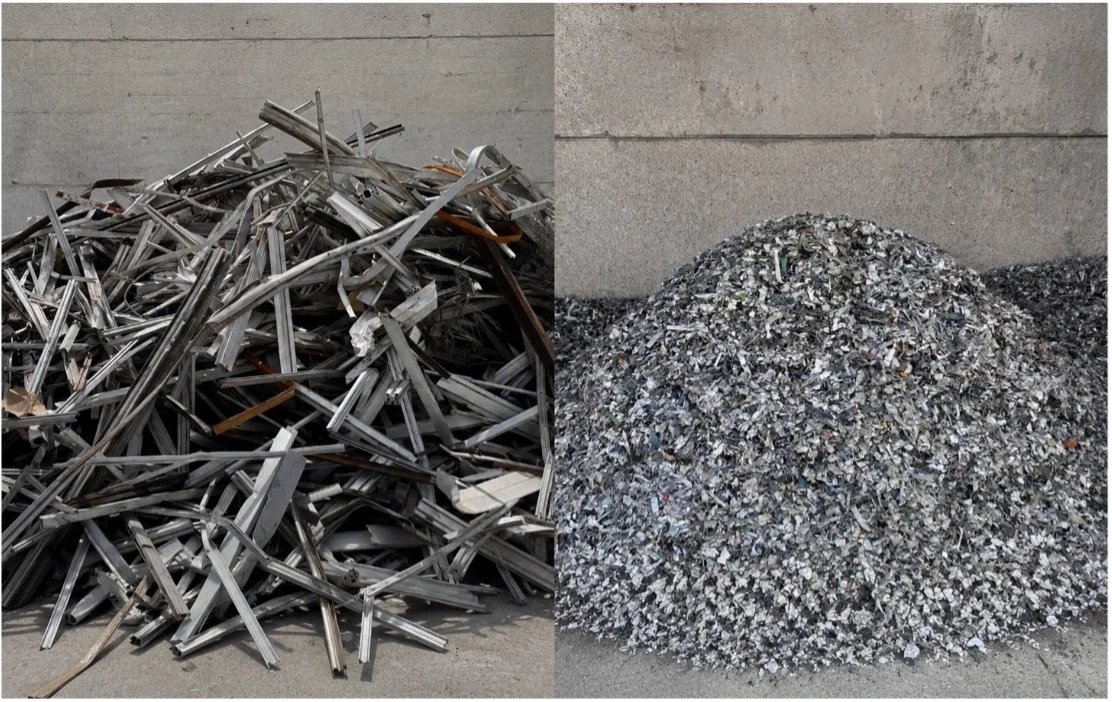
Output
Secondary raw materials compliant with the SR EN 13920 standard and the End-of-Waste criteria under European Regulation 333/2011.